Porbandar Chalk Powder

Natural Calcium Carbonate mined and milled in Porbandar, Gujarat — Asia's only whiting chalk region. A high-purity industrial mineral filler for rubber, paint, plastic, PVC, cable and flame retardant compound formulations. ISO 9001:2015 certified. 1200 MT monthly. Trusted across India and Asia for 35+ years.

35+
Years of Excellence
1200
MT Monthly Output
Pan India
+ Asian Export
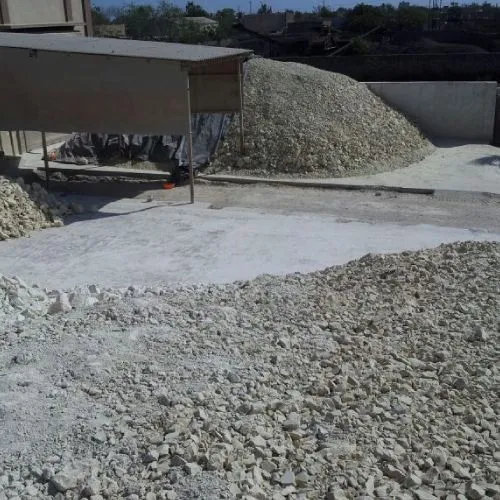
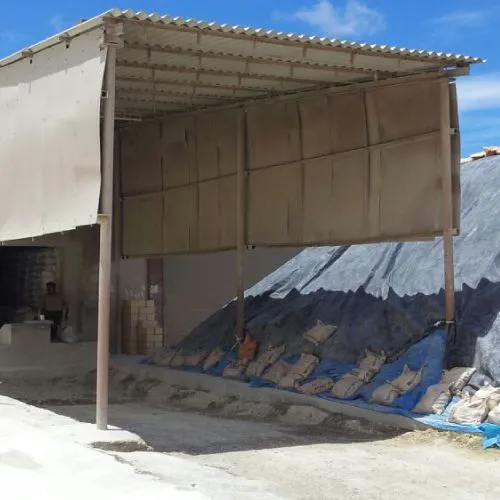
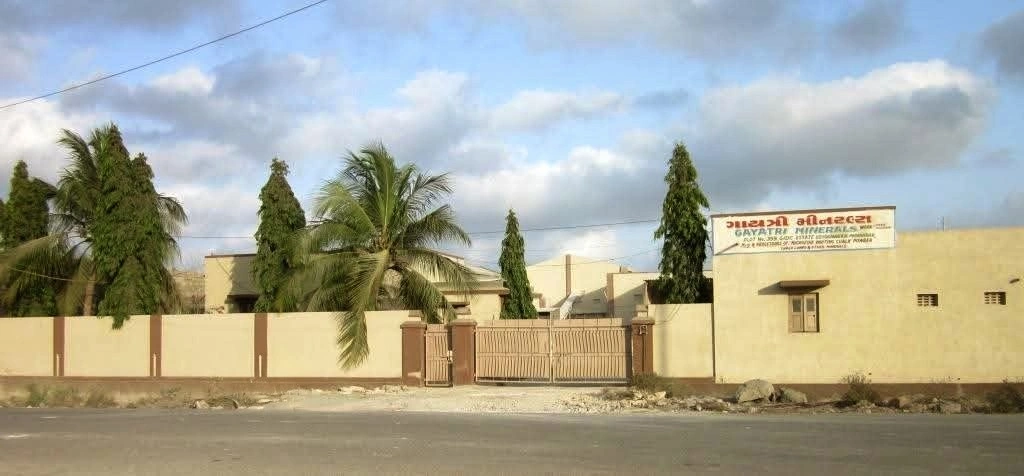
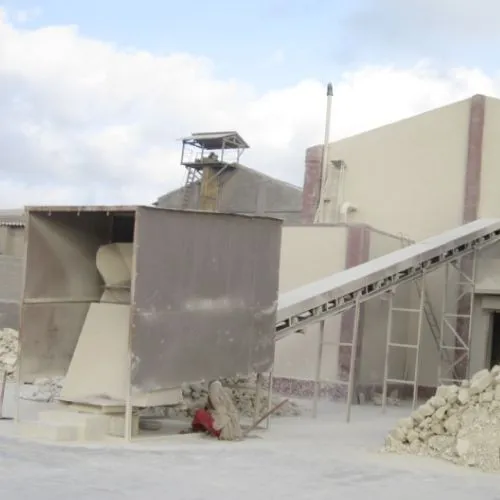
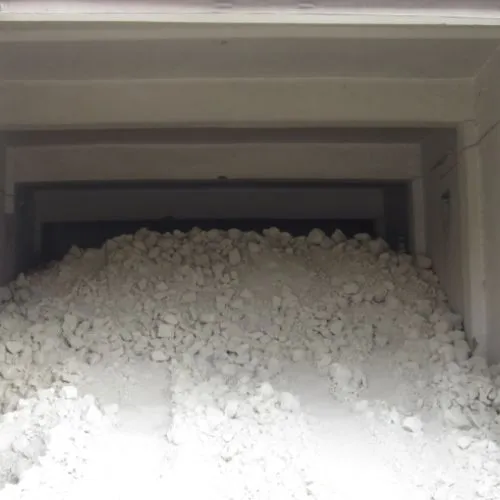
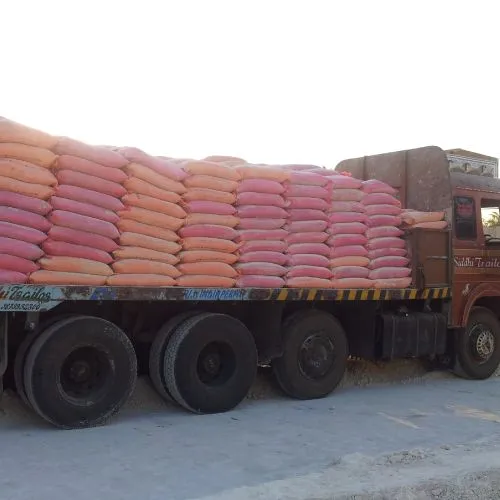
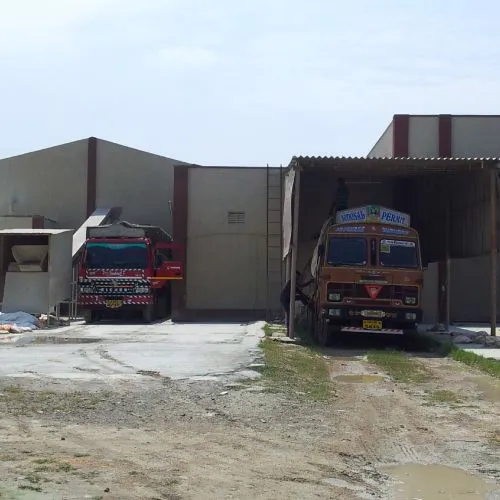
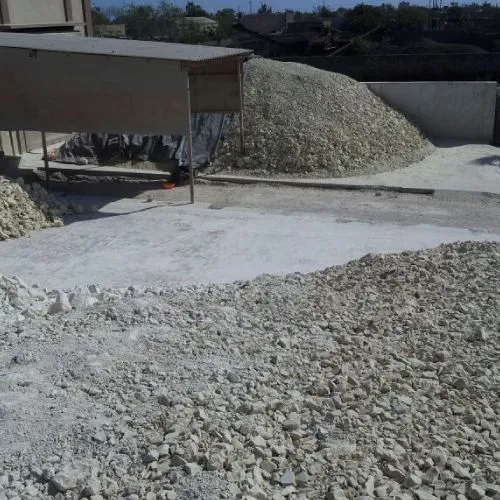
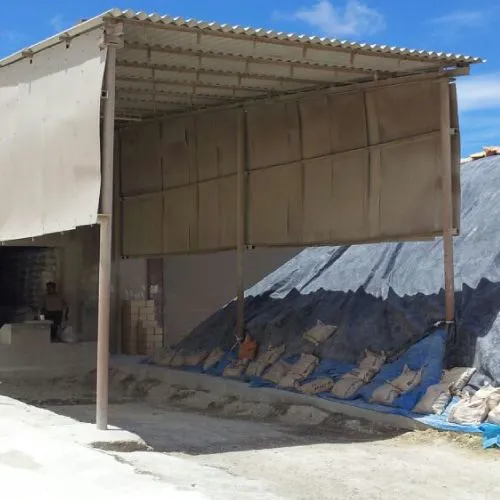
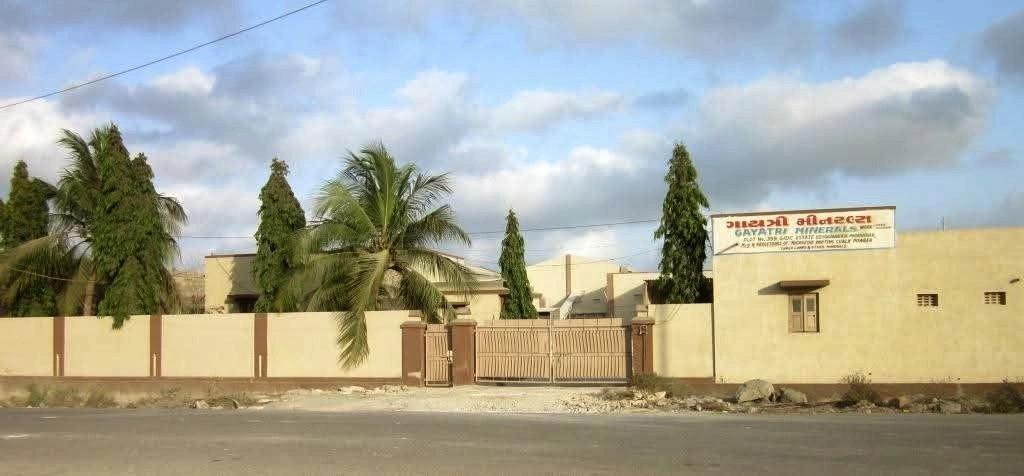
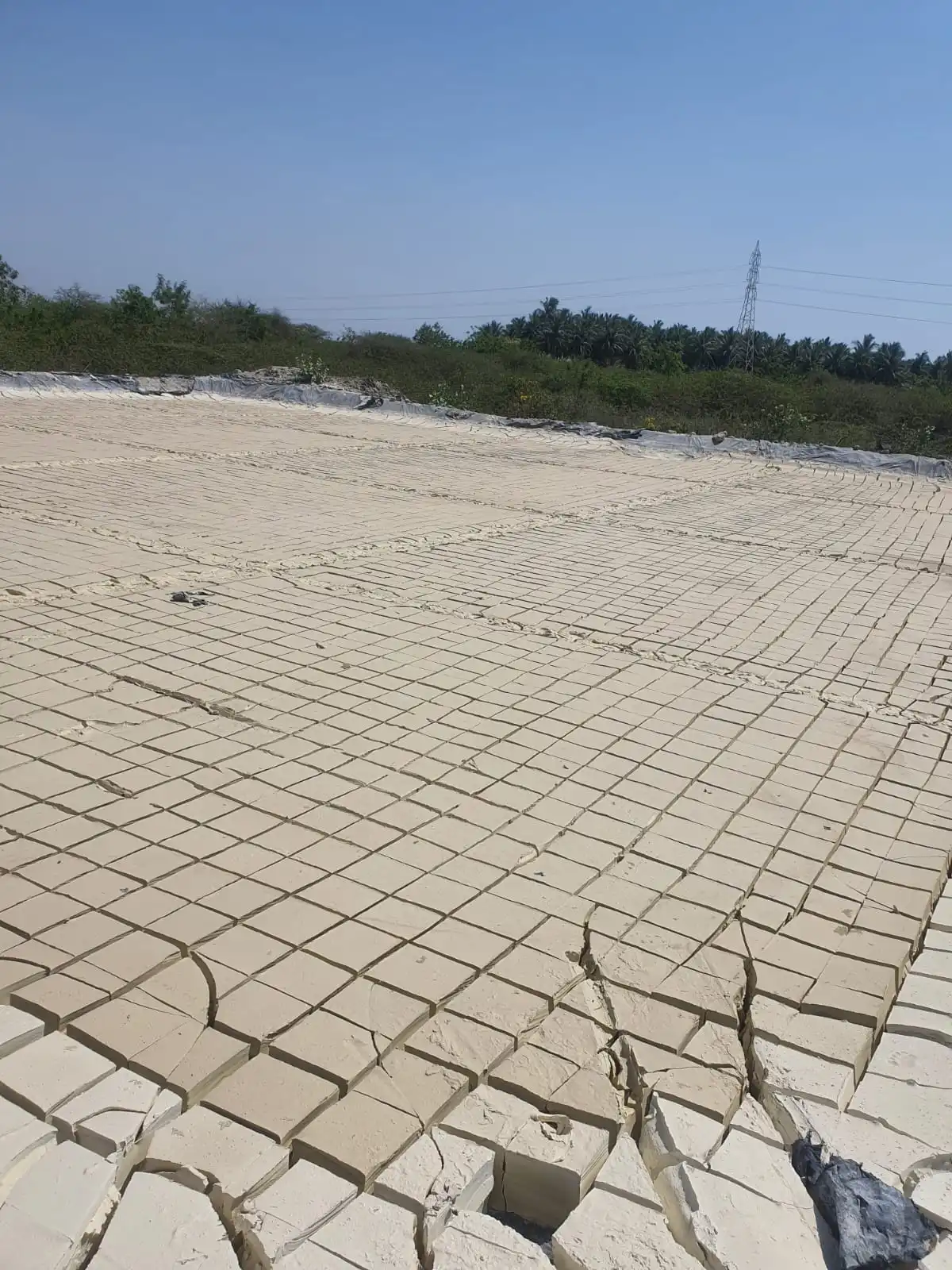
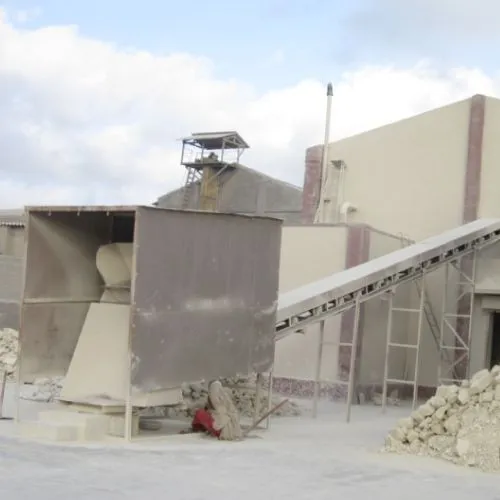
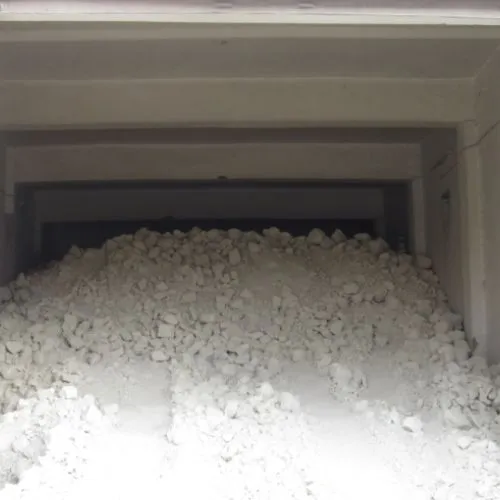
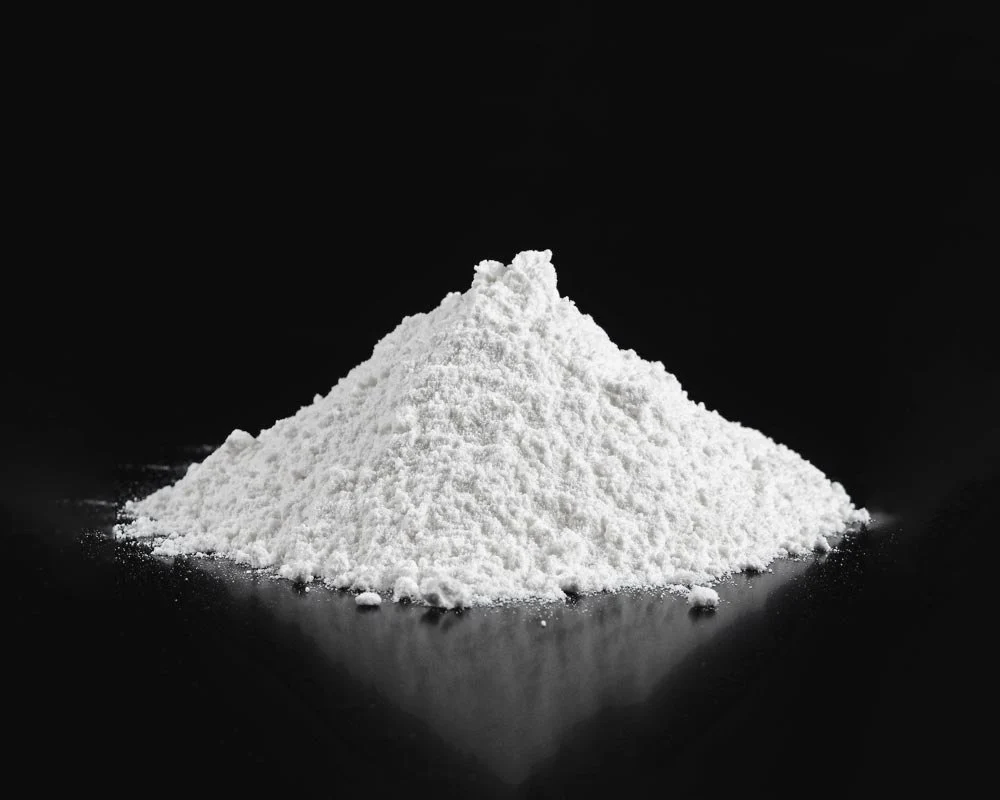
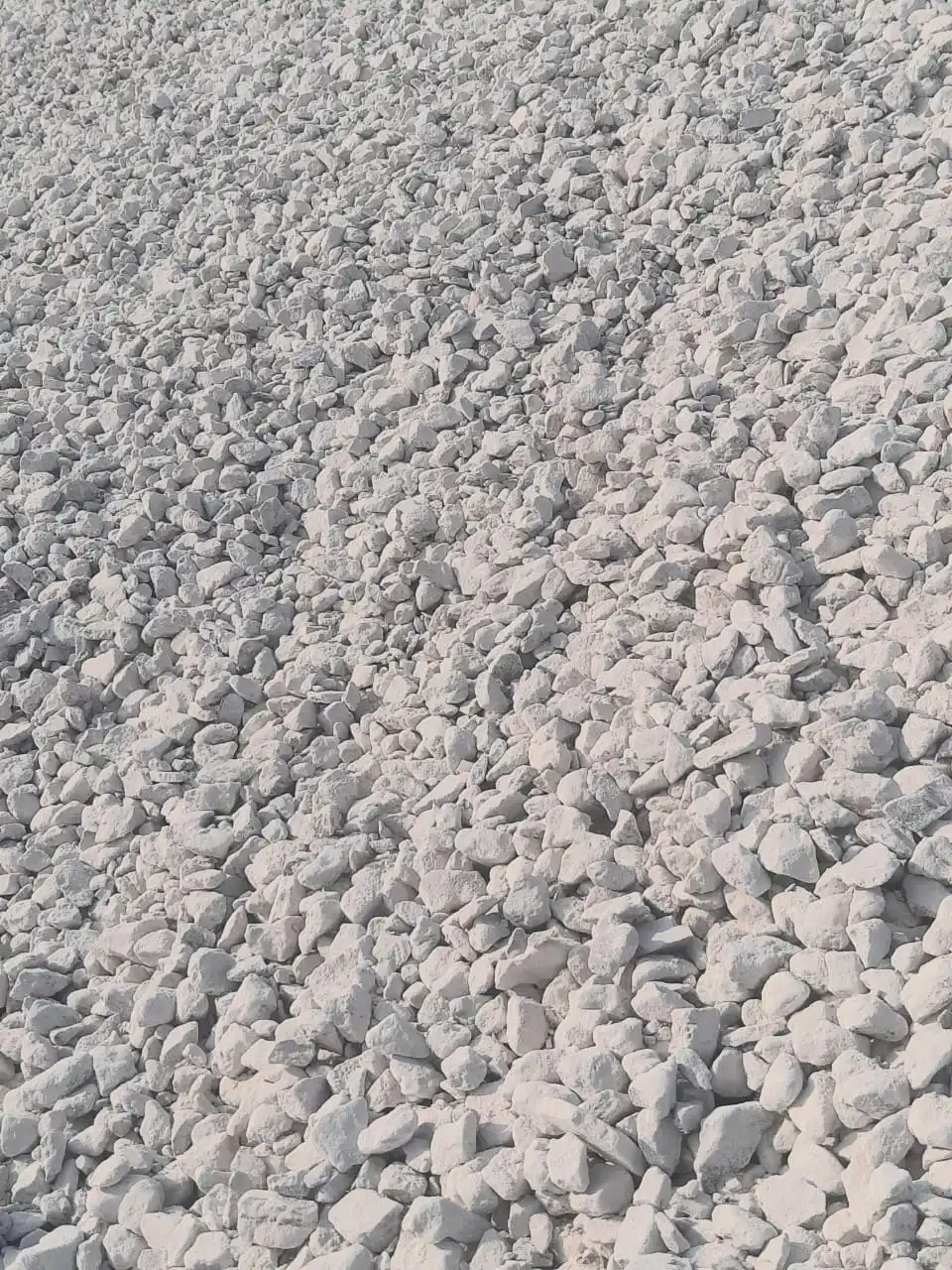
Natural Calcium Carbonate powder — fine whiting chalk powder texture from Porbandar Industrial chalk powder processing and pulverising unit at Gayatri Minerals Whiting chalk powder packed in bags for bulk industrial supply Calcium carbonate powder bags stacked for dispatch to rubber and paint industries

Welcome to Gayatri Minerals

GAYATRI MINERALS manufactures and serves ISO 9001:2015 compliant quality of Whiting Chalk Powder which is widely used in Rubber Industries as prime raw material, Paint Industries as filler, Cattle field Agro Industries for edible purpose and various other industries as per need. Since 4 decades of our inception in 1989, we have always concentrated on quality and customer satisfaction.

Premium Natural Calcium Carbonate from Porbandar

Natural Calcium Carbonate — the mineral chemists write as CaCO3 and industry buyers know as whiting chalk powder — is the workhorse mineral filler of modern manufacturing. Gayatri Minerals has been mining and milling it in Porbandar, Gujarat since 1989. Our deposits sit in the coastal chalk belt of Saurashtra, the only region in Asia that yields whiting chalk in commercially workable quantity, and every tonne we ship comes from mining areas we own and operate ourselves.

That vertical integration is the reason our industrial chalk powder behaves the same way from one consignment to the next. We control the face the material is won from, the way chalk lumps are dried and stored, and the pulverising line they pass through — so the powder that reaches a compounder in Ahmedabad or a paint plant in Chennai carries the same brightness, the same low moisture and the same freedom from grit and heavy-metal contamination as the batch before it. For a filler that can occupy a third or more of a finished formulation by weight, that consistency is worth more than any single headline specification.

What high purity actually buys you

Purity in a mineral filler is not an abstraction. Iron and manganese traces discolour a white paint or a light-coloured rubber article. Free silica and oversize grit abrade extruder screws and scratch a finished surface. Absorbed moisture flashes off in a hot mixer and leaves porosity in a cable sheath or a moulded profile. Our processing is built around removing exactly those problems: the material is kept moist-free through storage and dispatch, and screened to hold back the heavy-metal and substandard fractions that cause them.

A note on flame retardant applications

Natural calcium carbonate is not itself a flame retardant, and we do not sell it as one. What it does is act as a cost-effective, thermally stable mineral filler within flame retardant formulations — carrying volume alongside the active flame retardant package (typically ATH, MDH or a halogen-free intumescent system), diluting the combustible polymer fraction, and helping the compounder hit density, hardness and cost targets without disturbing the fire performance the formulation was designed and certified for. Read how compounders use it →

Where Our Calcium Carbonate Goes to Work

One mineral, many roles. The grade, particle size and loading change from industry to industry — the material underneath is the same high-purity natural calcium carbonate.

Rubber Industry

The largest single destination for our output. Calcium carbonate is used as a semi-reinforcing and extending filler in moulded goods, hoses, mats, footwear soles and technical rubber parts — improving dimensional stability, calendering behaviour and cost per kilogram without upsetting cure. Rubber grade calcium carbonate →
Paint Industry

Used in primers, putties, distempers and emulsion paints as an extender pigment. It builds film solids, controls sheen and rheology, and lets formulators reduce expensive titanium dioxide loading while holding opacity and coverage. Paint grade calcium carbonate →

Plastic Industry

Plastic grade calcium carbonate for polyolefin masterbatch, moulded housewares, woven sacks and sheet. It raises stiffness and heat deflection, improves printability and dimensional control, and shortens cycle time by carrying heat out of the melt faster than neat polymer. Plastic grade filler →

PVC Industry

Central to rigid and flexible PVC alike — pipes, profiles, hoses, footwear and flooring. In rigid PVC it contributes impact strength and stiffness; in plasticised compounds it carries volume and controls cost while keeping the compound processable. PVC compound filler →

Cable Industry

Used in PVC and rubber cable sheathing and bedding compounds, where a clean, low-moisture, well-graded filler matters: absorbed water shows up as voids and as degraded electrical performance in the finished cable. Cable compound filler →

Flame Retardant Compounds

Compounders formulating flame retardant rubber, flame retardant plastic, PVC compound and cable compound use our chalk powder as the bulk mineral filler that sits alongside the active flame retardant system such as ATH or MDH — halogen-free, thermally stable, and consistent batch to batch. It is a filler, not a flame retardant. Filler for FR formulations →

Construction & Wall Putty

A primary raw material for wall putty, tile adhesive, dry-mix mortar and joint compound. Whiteness and particle grading drive both the finished appearance of a putty and how smoothly it trowels onto the wall. Construction grade calcium carbonate →

Adhesives & Sealants

Functions as a rheology modifier and extender in polyurethane, silicone, acrylic and rubber-based adhesives and sealants — building body, controlling slump and sag, and stabilising the cost of the formulation. Adhesive & sealant filler →

Paper, Ceramic & Allied

Supplied to paper mills as a filler and coating pigment, to ceramic bodies and glazes as a flux and body constituent, and to printing ink, agriculture and specialty chemical users who need a dependable bulk mineral. See all 14 industries →

ISO Quality Standards
Consistent quality control meeting ISO & client specifications
22,000 sq ft Plant
Own mining area in Porbandar with large-scale processing unit
Pan India + Asian Export
Trusted by industries across India and Asian countries since 1989
1200 MT Monthly Output
High-volume production capacity for bulk and regular orders

Asia's Only Whiting Chalk Source,
Mined and Milled In-House

Our processing unit spread over 22,000 sq ft has its own mining areas around Porbandar — the only place in Asia yielding Whiting Chalk Powder. Monthly production of 1000–1200 metric tonnes of natural calcium carbonate, with quality control from the mine face through to the packed bag.

  • ISO Quality Standards
    Quality control per ISO and customer requirements
  • 1000–1200 MT Monthly Output
    Large-scale production capacity for bulk orders
  • Pan India + Asian Export
    Supplied all over India and exported to Asian countries
About Us
22K
sq ft Processing Unit
ISO
9001 : 2015
Asia's Only
Chalk Source

Request a Calcium Carbonate Quotation

Chalk Powder

Gayatri Minerals, 359, GIDC, Porbandar: 360575, Gujarat

gayatriminerals.gm@gmail.com +91 98259 19197
Gypsum Powder

Elements (India), 2nd Gate, Metoda, Rajkot: 360021, Gujarat

816, Sector 69, Faridabad, Haryana 121004, India

+91 98259 19197 gayatriminerals.gm@gmail.com

Mineral Filler for Flame Retardant Formulations

Our natural calcium carbonate is supplied to compounders across India as a halogen free flame retardant compound raw material — the bulk mineral filler in flame retardant rubber, flame retardant plastic, PVC compound and cable compound formulations — working alongside the active flame retardant package, never in place of it.

An honest distinction

Chalk powder is not a flame retardant. Unlike alumina trihydrate (ATH) or magnesium dihydroxide (MDH) it releases no water of hydration at fire temperatures and has no flame-retardant mechanism of its own. What it does is make a heavily flame-retarded compound practical and affordable to produce — which is a real job, and the reason it appears in so many FR recipes.

Dilutes the fuel load

Every kilogram of inert mineral is a kilogram of polymer not present to burn. At 50–65 percent total mineral loading there is less than half the fuel of the neat polymer — less to pyrolyse, less heat, less smoke. A dilution effect, not flame retardancy.

Halogen-free by nature

A naturally halogen-free mineral supports low-smoke halogen-free formulation strategies rather than working against them — increasingly the direction of travel in cable and transport applications.

Makes ATH and MDH affordable

Active flame retardants cost several times what a mineral filler costs and must be loaded very heavily. Partial substitution within your validated range is often what keeps a halogen-free compound commercially viable at all.

Thermally stable through processing

Survives rubber vulcanisation, PVC extrusion and compounding temperatures without decomposing or gassing off — so it does not add porosity to a compound already carrying a heavy mineral load.

Holds mechanical targets

Hardness, stiffness and specific gravity that a heavily flame-retarded compound would otherwise miss, plus better flow and easier dispersion at high loading.

Consistent, batch after batch

In a certified FR compound, batch drift is a compliance exposure rather than a quality niggle. Because we mine our own material, the grade you validated is the grade that arrives next time.

Full Technical Detail on FR Filler Use

Need certified fire performance rather than a filler? Our separate HL3 division supplies EN 45545-2 HL3 compliant fire retardant compounds and profiles for railway and metro rolling stock.